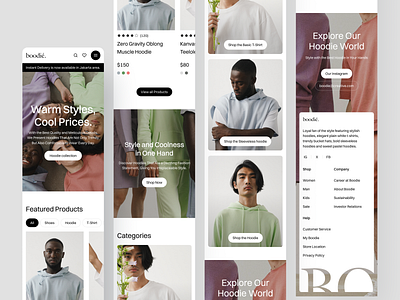
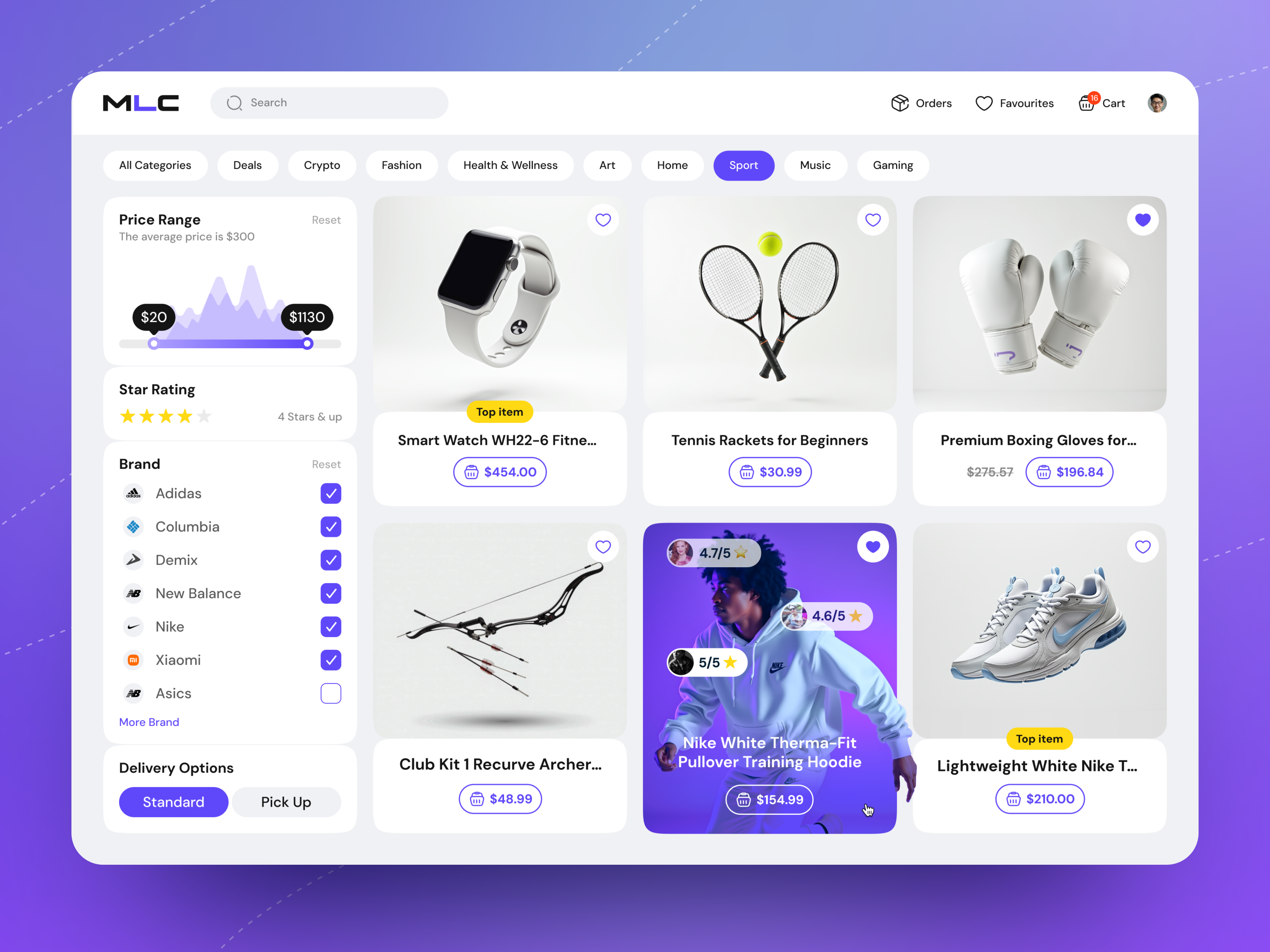
Maintaining interface consistency is a cornerstone of creating a seamless user experience, particularly in digital platforms where users interact with complex systems. Consistency ensures that every action, visual cue, and navigational element feels familiar across the entire platform, which reduces cognitive load and allows users to focus on their goals rather than figuring out how the system works. When consistency is applied efficiently, it can significantly enhance usability, foster trust, and increase user satisfaction.
At the core of interface consistency is the principle of predictable behavior. Users should be able to anticipate the outcome of their actions based on previous interactions. For example, a button designed to submit a form should always behave in the same way across different pages or sections. This predictability allows users to develop a mental model of the system, which accelerates learning and improves efficiency. When users encounter unexpected behavior, it can disrupt their workflow and generate frustration, undermining confidence in the platform.
Visual consistency is equally crucial. The use of a uniform color palette, typography, spacing, and iconography across the interface establishes a coherent visual language. This visual harmony not only reinforces brand identity but also helps users recognize functionality more quickly. For instance, if a particular icon signifies “settings” in one section, it should retain the same appearance and position in all other sections. Deviations can confuse users and slow down task completion, while consistent visuals provide reassurance and clarity.
Layout consistency plays a key role in guiding user attention and creating a sense of stability. Elements such as menus, toolbars, and navigation bars should be placed in predictable locations so that users know where to find essential controls without searching. Consistent grid structures and alignment rules help maintain visual balance and improve readability. This is particularly important in applications with multiple screens or modules, where users transition frequently between contexts. Efficient layout consistency reduces the time spent adapting to each screen and allows users to maintain focus on their objectives.
Consistency in interaction patterns enhances user confidence and reduces errors. Common patterns such as swiping, clicking, dragging, or hovering should behave uniformly across different components. For instance, if swiping left deletes an item in one context, it should not trigger an entirely different action elsewhere. Standardizing interactions across the platform enables users to transfer skills from one area to another, creating a smoother learning curve and reinforcing their sense of control.
Text and language consistency also contribute to interface efficiency. Clear, concise, and consistent terminology helps users understand functionality quickly and reduces ambiguity. For example, using “save” in one part of the application and “submit” in another for similar actions can cause confusion. Maintaining uniform labels, instructions, and error messages ensures that users know what to expect and can navigate the system with confidence. This consistency extends to tone and style, which should align with the brand’s overall personality to create a cohesive experience.
Feedback and response mechanisms must follow consistent rules to reinforce user expectations. Users rely on immediate, predictable responses to their actions to confirm that tasks are progressing correctly. Whether it is a visual highlight, animation, sound cue, or message, the feedback should be uniform across the system. Efficient feedback consistency prevents uncertainty and reduces the need for trial and error, thereby improving overall efficiency. Users are more likely to trust the platform when they can anticipate outcomes reliably.
Accessibility considerations must also adhere to consistent principles. Features such as keyboard navigation, screen reader compatibility, contrast ratios, and alternative text for images should follow the same standards across all sections. This ensures that users with varying abilities can interact with the platform without encountering barriers or inconsistencies. Consistency in accessibility practices reflects a commitment to inclusive design and reinforces reliability for all users, which is essential for maintaining trust and satisfaction.
Consistent error handling is another essential component. Users should encounter errors that are communicated in a uniform manner, with clear guidance on how to resolve them. Inconsistent error messages or recovery options can lead to confusion and frustration, diminishing the overall experience. By standardizing error handling and recovery processes, designers can create an environment where users feel supported and capable of correcting mistakes efficiently.
Efficiency in applying interface consistency comes from creating and following comprehensive design guidelines. Style guides, pattern libraries, and component documentation help ensure that design principles are uniformly applied across teams and projects. By documenting standards for color, typography, spacing, interaction, language, and accessibility, organizations can maintain consistency even as teams scale or new features are introduced. This approach minimizes deviations, reduces design debt, and ensures that updates and iterations maintain the integrity of the user experience.
Testing and iterative evaluation are vital to enforcing consistency. Regular usability testing and user feedback can reveal areas where inconsistencies exist or where rules are not being applied efficiently. These insights allow teams to refine guidelines and update components to align with established standards. Monitoring user behavior and performance metrics can also indicate whether consistency is enhancing efficiency, enabling data-driven decisions that prioritize user experience improvements.
In addition, training and collaboration among cross-functional teams are critical to sustaining interface consistency. Designers, developers, product managers, and content creators must share a common understanding of the established rules and adhere to them in every implementation. Efficient communication and collaboration reduce the risk of inconsistencies that can arise when different teams work in isolation, ensuring that the user experience remains coherent and reliable.
Ultimately, efficient interface consistency rules support both usability and business objectives. Users benefit from a predictable, intuitive, and accessible experience, while organizations gain increased engagement, reduced error rates, and higher satisfaction scores. Consistency fosters trust, lowers support costs, and creates a positive perception of reliability and professionalism. By emphasizing visual, functional, textual, and interactional uniformity, platforms can provide users with an environment that feels natural, intuitive, and enjoyable to navigate.
Applying these rules strategically requires balancing standardization with flexibility. While maintaining consistency is crucial, designers must also account for context-specific needs and evolving user expectations. Subtle variations can be introduced when necessary to accommodate new features or adapt to changing workflows, provided they remain within the overarching framework of established guidelines. This approach ensures that efficiency is preserved without sacrificing innovation or responsiveness to user needs.
In conclusion, efficient interface consistency rules are foundational to effective digital design. They streamline user interactions, reduce cognitive effort, enhance predictability, and promote trust. By adhering to consistent visual, functional, textual, and interactional standards, supported by clear documentation, testing, and collaboration, platforms can deliver a user experience that is both reliable and satisfying. The result is a system that feels intuitive, professional, and easy to navigate, empowering users to achieve their goals with confidence and efficiency.